Why Choose Surface Grinding Machines for Your Manufacturing Needs?
Surface grinding machines play a crucial role in modern manufacturing. They deliver precise finishes and maintain tight tolerances. According to a recent report by Industry Research Group, the global market for surface grinding machines is expected to reach $1.4 billion by 2026, growing at a CAGR of 5.2%. This growth highlights their importance in various sectors, including automotive and aerospace.
Expert Johnathan Mills, a leading figure in the machining industry, states, “Surface grinding machines provide unmatched precision and efficiency.” This statement underscores their value in enhancing production quality. Manufacturers increasingly favor these machines to improve their output and maintain competitive advantage.
Choosing surface grinding machines can seem overwhelming. The number of options available is vast. Each machine provides different capabilities and features. It is essential to consider your facility's unique requirements. Focusing on the right machine can lead to enhanced productivity and reduced waste. Thus, understanding these machines is not just beneficial; it is vital for successful manufacturing operations.
Understanding Surface Grinding Machines and Their Functionality
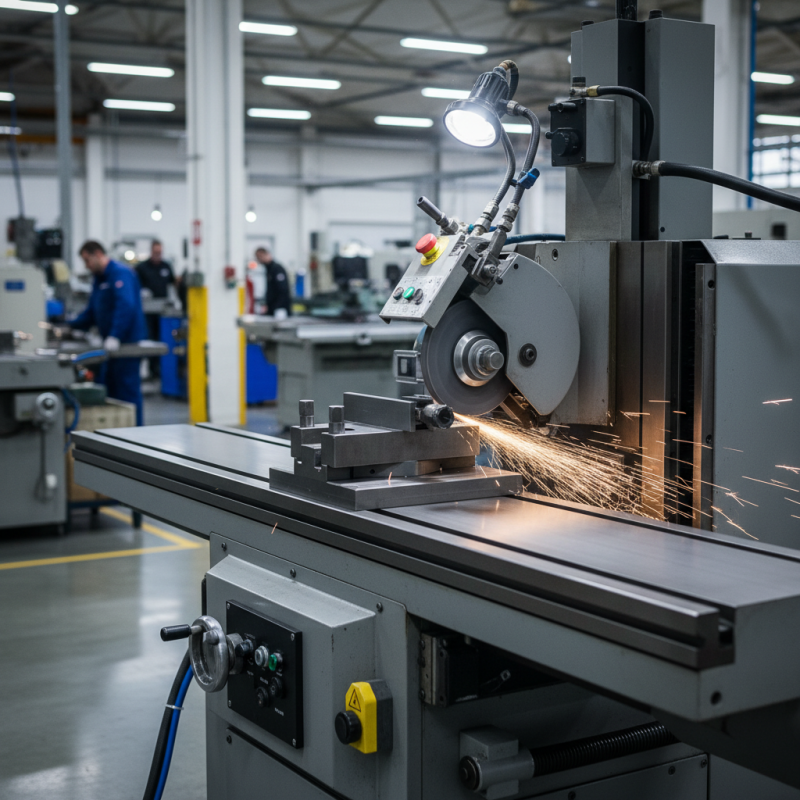
Surface grinding machines are vital in various manufacturing sectors. They provide precision and efficiency when creating flat surfaces. Understanding their functionality can greatly enhance production capabilities.
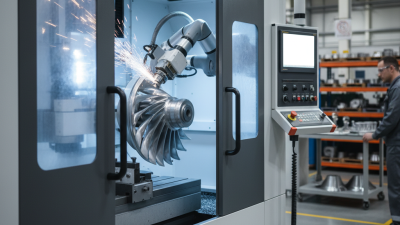
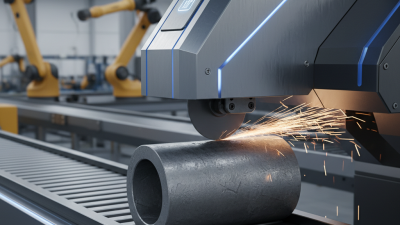
A surface grinder operates by removing material from the workpiece. The process involves the use of a rotating wheel, which grinds the surface smooth. This technique is effective for achieving tight tolerances. However, improper setup can lead to imperfections. A slight misalignment may cause uneven surfaces.
Another key aspect is the selection of grinding wheels. Different materials require specific wheel types. Choosing the wrong wheel can affect the grinding efficiency and finish quality. Operators need training to ensure optimal use of the machine. Regular maintenance is also crucial for reliability. Neglecting maintenance might result in decreased performance over time.
Key Advantages of Surface Grinding Machines in Manufacturing
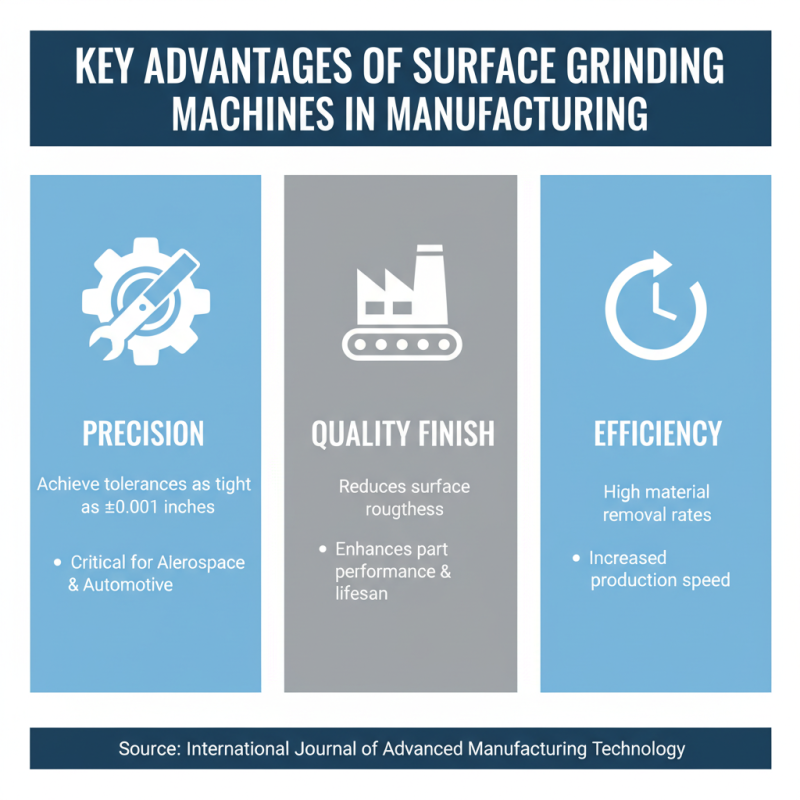
Surface grinding machines play a vital role in modern manufacturing. One of their key advantages is precision. According to a recent report by the International Journal of Advanced Manufacturing Technology, surface grinding machines can achieve tolerances as tight as ±0.001 inches. This level of accuracy is critical in sectors like aerospace and automotive, where even minor deviations can lead to significant issues.
Another benefit is the efficiency they bring to production. Studies indicate that implementing surface grinding can reduce overall machining time by up to 20%. This not only saves time but also minimizes material wastage. With the rising costs of raw materials, this efficiency can be a game-changer for manufacturers aiming to optimize their budgets.
Tip: Regular maintenance of grinding machines is essential. A well-maintained machine operates more efficiently and produces better results. Neglecting maintenance can lead to increased downtime and costly repairs. Investing in training for operators is equally important. Skilled operators can maximize the machine's capabilities.
Surface grinding machines are also versatile. They can work with various materials, adjusting to specific manufacturing needs. However, choosing the right machine may require a deep understanding of both capabilities and limitations, leaving room for ongoing learning and adaptation in the process.
Applications of Surface Grinding in Various Industries
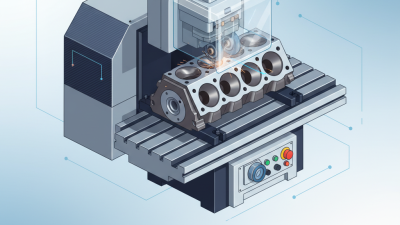
Surface grinding machines play a crucial role across various industries. In automotive manufacturing, precision is key. These machines provide the flat surfaces needed for components like brake discs and engine blocks. With their ability to produce tight tolerances, they ensure that parts fit together without issues. This minimizes wear and enhances performance.
In the aerospace sector, surface grinding is equally significant. Components must withstand extreme conditions. Even small defects can have serious consequences. Surface grinding helps meet stringent safety standards by delivering highly polished surfaces. This contributes to the durability and efficiency of aircraft.
However, using surface grinding machines can be challenging. Operators need specialized skills to manage variables like wheel speed and coolant flow. Inexperienced use can lead to uneven surfaces or damage to the material. Continuous training and practice are necessary to maintain high-quality outcomes. Balancing speed and accuracy remains a point for reflection.
Factors to Consider When Selecting a Surface Grinding Machine
When selecting a surface grinding machine, there are several key factors to keep in mind. The machine's size is crucial. It should fit your workspace while accommodating the parts you plan to grind. Consider the maximum workpiece dimensions and weight capacity. A compact machine might save space, but it can limit your options for larger projects.
Another essential factor is the machine's precision and technology. Look for features that ensure accuracy. An advanced control system often leads to better outcomes. However, more sophisticated systems may also require more training. Evaluate your team’s capabilities before making a decision.
Tips: Always assess the machine's reliability. Research its maintenance requirements, as high upkeep can add to costs. Don’t ignore user feedback. Real experiences offer insights that catalogs cannot. Reflecting on these details can help you make better choices.
Consider your manufacturing needs and the machine's adaptability in a changing environment. Your decision should reflect both current and future requirements.
Maintenance Tips for Optimizing Surface Grinding Performance
Surface grinding machines are essential for precision manufacturing. To ensure optimal performance, regular maintenance is key. These machines operate under intense conditions. Dust and debris can accumulate quickly, affecting their efficiency.
Tips for routine maintenance include checking coolant levels regularly. A consistent supply of coolant prevents overheating and minimizes wear on grinding wheels. Additionally, inspect the grinding wheel for any signs of wear. A worn wheel can lead to poor surface finishes and longer cycle times.
Another crucial aspect is spindle alignment. Misalignment can cause excessive vibration, leading to inaccuracies in grinding. Realign the spindle when you notice variations in surface quality. Keeping your surface grinding machine in peak condition requires diligence and attention to detail. Simple checks can prevent significant issues down the line.
Surface Grinding Machines Performance Metrics
This chart illustrates the key performance metrics of surface grinding machines, highlighting the relationship between speed, feed rate, surface finish, power consumption, and tool wear. These metrics are crucial for optimizing performance and maintenance strategies in manufacturing environments.