How to Optimize Efficiency with an Automated Polishing System?
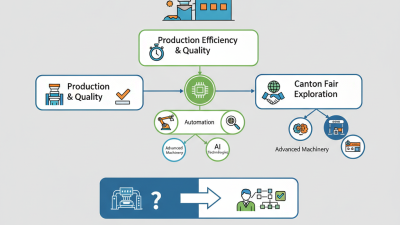
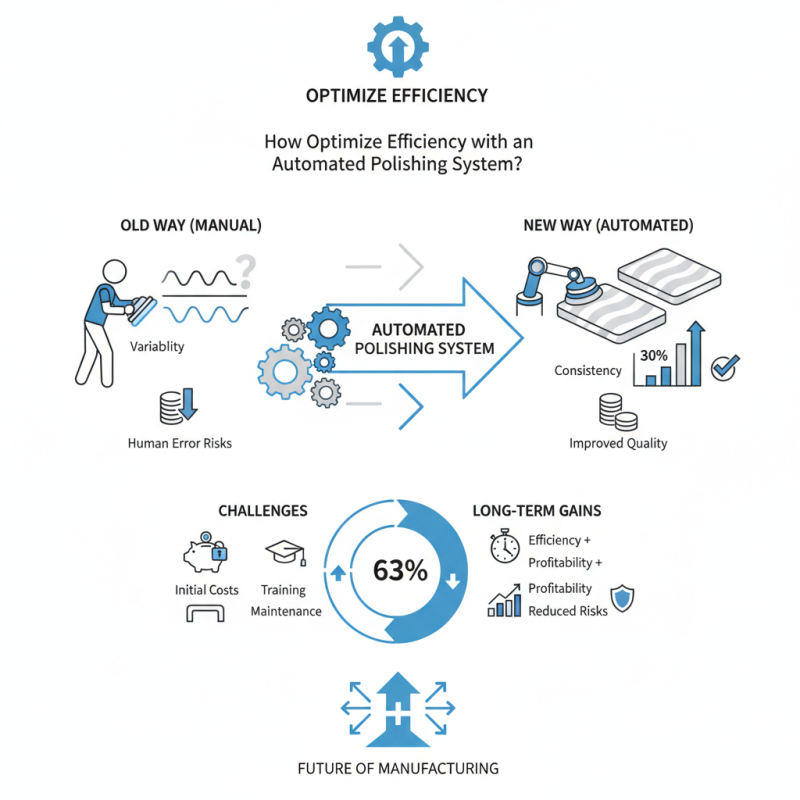
In today’s competitive manufacturing landscape, optimizing efficiency is crucial. An Automated Polishing System can significantly enhance production processes. According to a report by the International Society for Automation, automated systems can improve manufacturing efficiency by up to 30%. This highlights the potential impact of automation on polishing operations.
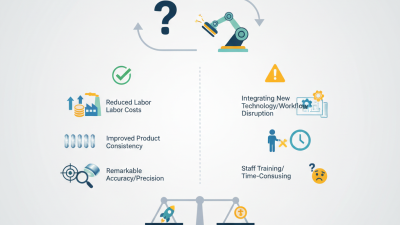
Many industries rely on polishing for quality finishes. A well-designed Automated Polishing System ensures consistency and precision. Manual polishing can lead to variabilities. Risks of human error remain a concern. However, automation reduces these risks significantly.
Implementing such a system brings challenges. Initial costs and training requirements can be barriers. Businesses must consider ongoing maintenance too. Data from the Manufacturing Institute shows that around 63% of manufacturers face hurdles when adopting automation. Organizations must weigh these factors against the long-term gains. Embracing an Automated Polishing System can lead to improved efficiency and profitability.
Understanding Automated Polishing Systems and Their Importance
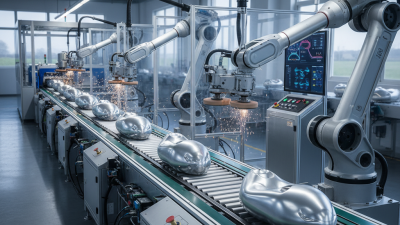
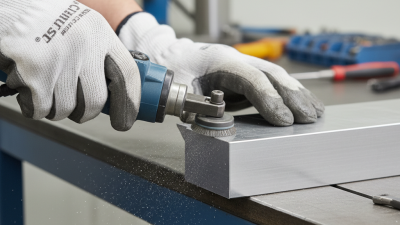
Automated polishing systems play a vital role in modern manufacturing. These systems streamline polishing processes, reducing labor costs while enhancing product quality. They can handle various materials effectively, ensuring consistency in shine and surface finish. Proper understanding of these systems can lead to significant productivity gains.
Tips: Regularly calibrate your polishing system. Calibration ensures that the output remains consistent. A poorly calibrated machine can lead to uneven finishes, requiring rework.
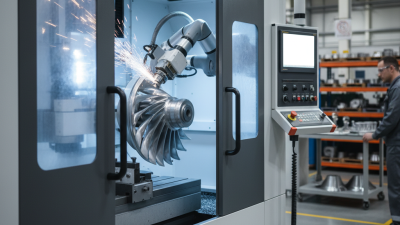
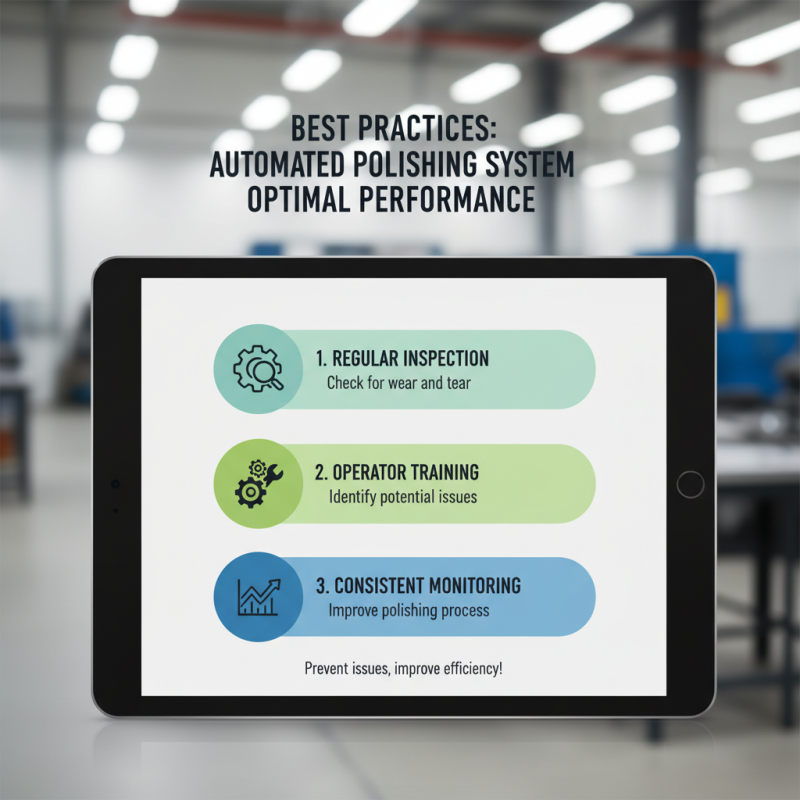
Automated systems also rely on advanced monitoring technology. This helps detect any anomalies in real-time. By having a robust monitoring process, manufacturers can prevent minor issues from escalating. However, not all systems are perfect. Some operators may struggle with maintenance routines, affecting overall efficiency.
Tips: Train operators on system maintenance. Informed staff are less likely to overlook critical maintenance tasks. A well-maintained system operates more smoothly and effectively.
Embracing automated polishing systems means continuously assessing their performance. Not every system will fit all applications. Regular reviews can uncover areas for improvement, ensuring that the system evolves with changing production demands.
Key Components of an Efficient Automated Polishing System
An efficient automated polishing system relies on key components that enhance productivity and accuracy. One of the most crucial elements is the polishing head. It comes in various shapes and sizes, affecting the finishing quality and speed. Choosing the right head can dramatically influence results. For instance, a soft foam head may provide a gentler finish, while a harder pad can remove material more aggressively.
Another important aspect is the control system. A sophisticated control mechanism allows for precise adjustments. This includes speed settings and pressure applications. Operators should regularly evaluate these settings for optimal performance. If the system falls short, it may indicate a need for calibration.
The abrasive media used also plays a vital role. Different materials yield different finishes and may influence production rates. Testing various media types helps in identifying the best fit for specific tasks. Operators often discover that consistent experimentation can lead to greater efficiency. Mistakes in media selection can waste time and resources. Therefore, refining this choice is essential for maximizing the system's potential.
Measuring and Evaluating Efficiency Gains from Automation
Automating polishing systems can significantly enhance operational efficiency. However, it's essential to measure and evaluate the efficiency gains systematically. Collecting data on processing times, defect rates, and output speeds offers tangible insights. Analyzing this data allows businesses to identify bottlenecks and adjust parameters. Small changes can lead to notable improvements.
Evaluating efficiency is not always straightforward. It's vital to set clear benchmarks for comparison. Initial results may be promising, but ongoing evaluation reveals deeper insights. Factors like maintenance schedules and operator training may impact outcome. Regular assessments ensure that the system adapts to dynamic conditions.
Automation in polishing isn't perfect. Some machines might struggle with complex shapes. Human oversight can still be necessary, particularly in quality control. Reflection on these experiences helps refine processes. By embracing imperfections, teams can drive continuous improvement. Balancing automation with human expertise creates a more holistic production environment.
Efficiency Gains from an Automated Polishing System
This bar chart illustrates the efficiency gains achieved through the implementation of an automated polishing system. As shown, there is a significant increase in efficiency from 65% to 90% after automation.