Why You Need a Transmission Housings Deburring Machine for Your Manufacturing Process?
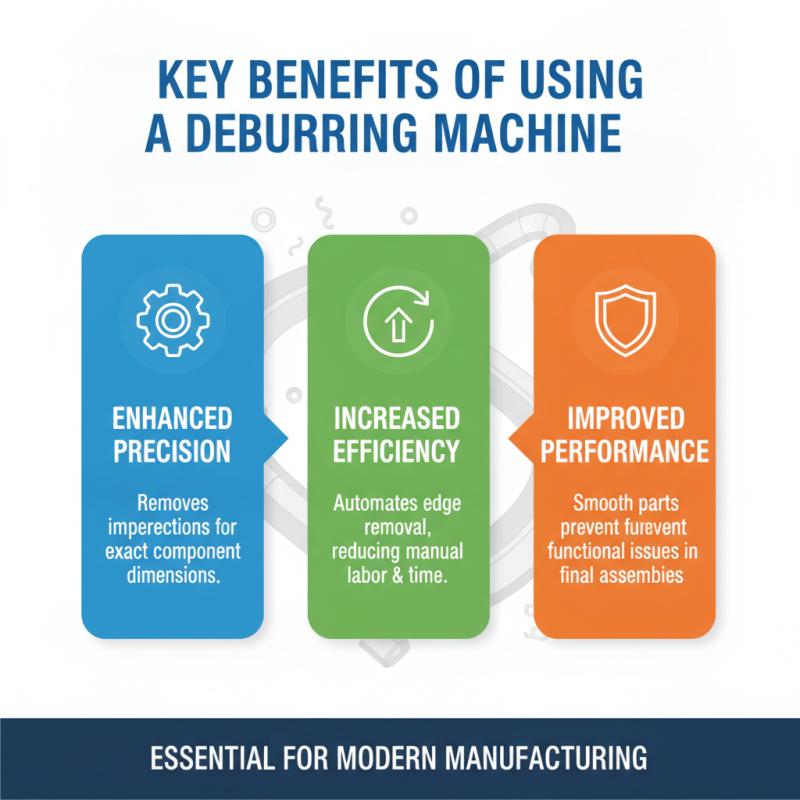
In today's fast-paced manufacturing industry, efficiency and precision are paramount. A Transmission Housings Deburring Machine plays a crucial role in enhancing production quality. According to a report by the Precision Metalforming Association, over 30% of defects in metal components arise from poor deburring processes. This statistic highlights the need for effective deburring solutions.
Deburring is essential for transmission housings, as it ensures the removal of sharp edges and burrs. These imperfections can lead to assembly issues and mechanical failures. A modern Transmission Housings Deburring Machine not only minimizes these risks but also improves the overall aesthetic of the component. Studies show that companies using automated deburring tools see a reduction in labor costs by up to 25%.
However, the investment in such machinery requires thoughtful consideration. Some businesses may overlook the long-term benefits, focusing instead on initial costs. Yet, the reliability and excellence gained from a Transmission Housings Deburring Machine can significantly enhance profit margins. It's a step towards embracing a more competitive and efficient manufacturing environment.
Importance of Deburring in Manufacturing Transmission Housings
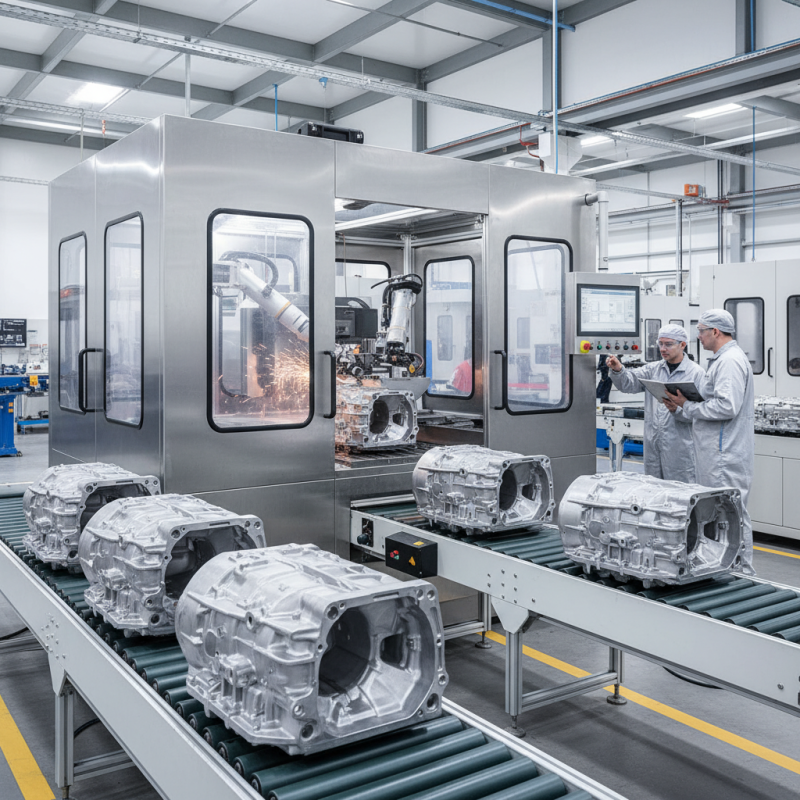
Deburring plays a crucial role in the manufacturing of transmission housings. A recent industry report highlighted that over 40% of defects in machined parts stem from burrs. These unwanted projections can hinder both functionality and aesthetic appeal. For manufacturers, reducing burrs is vital for enhancing the quality of their products. This is especially true in industries like automotive, where precision is critical.
The process of deburring ensures that transmission housings meet strict safety and operational standards. It not only improves component fit but also extends the lifespan of machinery. According to research, utilizing a specialized deburring machine can improve production efficiency by up to 30%. This data underscores the importance of integrating advanced technologies into manufacturing workflows. Skipping this step can lead to costly recalls and rework.
Despite its importance, many manufacturers overlook deburring in their processes. They may prioritize speed over quality, which can lead to long-term issues. This reflects a need for reflection and reassessment of production strategies. Investing in a deburring machine is not just about meeting standards; it’s about staying competitive in a demanding market. Enhancing quality through effective deburring could be the differentiator for many manufacturers.
Why You Need a Transmission Housings Deburring Machine for Your Manufacturing Process?
| Parameter |
Description |
Impact on Manufacturing |
| Deburring Time |
Time taken to deburr each housing part |
Reduces overall production time by up to 30% |
| Surface Finish Quality |
Quality of the surface after deburring |
Enhances product durability and performance |
| Tool Wear Rate |
Rate at which deburring tools wear out |
Optimizes maintenance costs and tool life |
| Production Output |
Quantity of parts produced in a given time |
Increases output by improving workflow efficiency |
| Worker Safety |
Safety measures in place during manufacturing |
Reduces accidents caused by sharp edges |
Types of Deburring Machines Suitable for Transmission Housings
Choosing the right deburring machine for transmission housings is essential. Different types of machines cater to specific manufacturing needs. For instance,
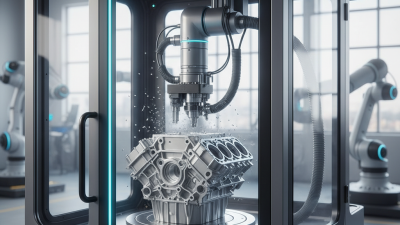
vibratory deburring machines use high-energy vibration to smooth out rough edges. This method is gentle yet effective, making it suitable for intricate shapes.
Another option is CNC deburring machines, which offer precision control for uniform results. These machines are ideal for high-volume production.
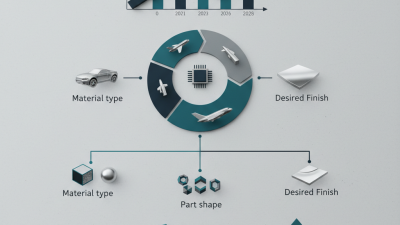
When selecting a machine, consider the material of the transmission housing. Softer materials might require less aggressive methods, whereas tougher alloys might need heavy-duty solutions.
It is crucial to evaluate the size and shape of the parts as well. Size will dictate the machine's configuration and efficiency.
Tips: Always run a test batch before full production. This will allow you to adjust settings as needed. Monitor the machine's performance regularly.
This ensures consistent quality over time. Remember that regular maintenance and adjustments can minimize errors and enhance efficiency. Each setup has room for improvement, so stay flexible in your approach to deburring.
Factors to Consider When Choosing a Deburring Machine
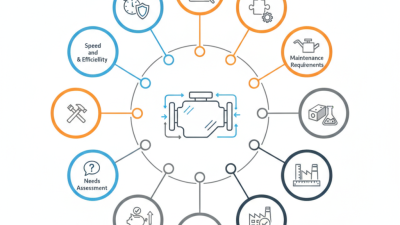
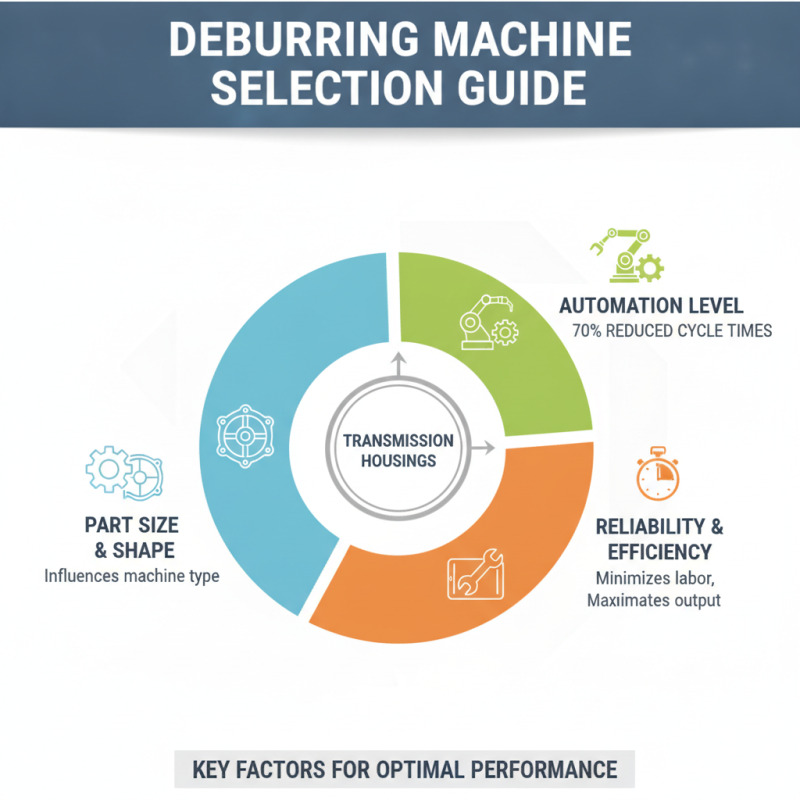
When selecting a deburring machine for transmission housings, it’s crucial to consider several factors. The size and shape of the parts will influence the type of machine that best suits your needs. According to recent studies, about 70% of manufacturers reported reduced cycle times after implementing automated deburring processes. A reliable machine minimizes manual labor while maximizing efficiency.
Another vital factor is the material compatibility. Deburring machines vary in their ability to handle different materials, from aluminum to steel. A mismatch could cause surface damage or ineffective burr removal. Data shows that improper deburring can lead to 30-40% higher rejection rates in quality control. Assess the machine’s capabilities carefully to avoid costly mistakes.
Tips: Look for machines with adjustable settings. This flexibility allows for fine-tuning based on material and design variations. Additionally, consider the machine’s maintenance requirements. Regular upkeep can prevent unexpected downtimes.
Furthermore, evaluate the machine's safety features. Safety should never be compromised. A well-designed machine will include guards and emergency stops. Finally, always ask for references or case studies from other users. Real-world experiences provide insights into potential issues and performance reliability. Understanding these details can guide you to the best decision for your manufacturing process.
Integrating a Deburring Machine into Your Manufacturing Workflow
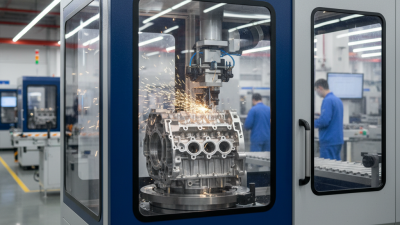
Integrating a deburring machine into your manufacturing workflow can significantly enhance efficiency. A recent industry report highlighted that manufacturers using automated deburring processes saw a 30% reduction in labor costs. This integration minimizes the manual handling of parts, reducing human error rates. The machine ensures uniformity in burr removal, allowing for faster production cycles.
In addition to cost savings, quality control improves with a deburring machine. A study found that approximately 70% of production defects arise from burrs that remain on components. By streamlining the deburring process, manufacturers can boost the reliability and lifespan of their products. However, implementing such technology isn't without challenges. Staff may require training, and initial setup costs can be daunting. Despite these hurdles, the long-term benefits often outweigh the initial investment. Overall, embracing modern deburring methods fosters a more productive and safer manufacturing environment.
Benefits of Integrating a Transmission Housings Deburring Machine