


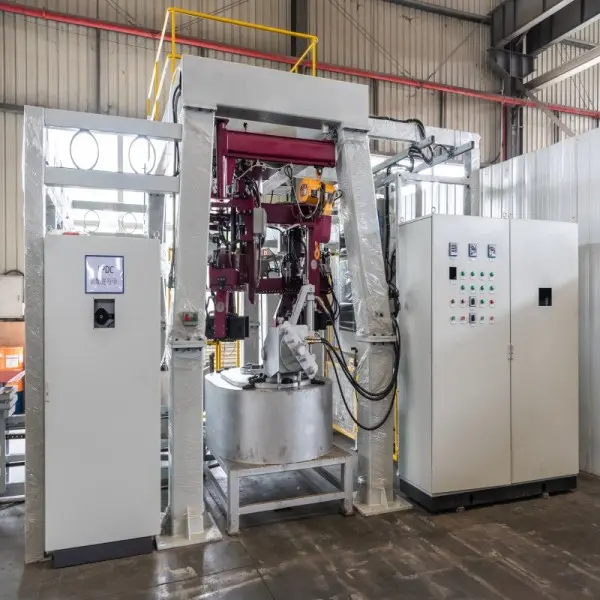
Types of Casting Processes: A Complete Guide to Metal Casting Methods and Applications
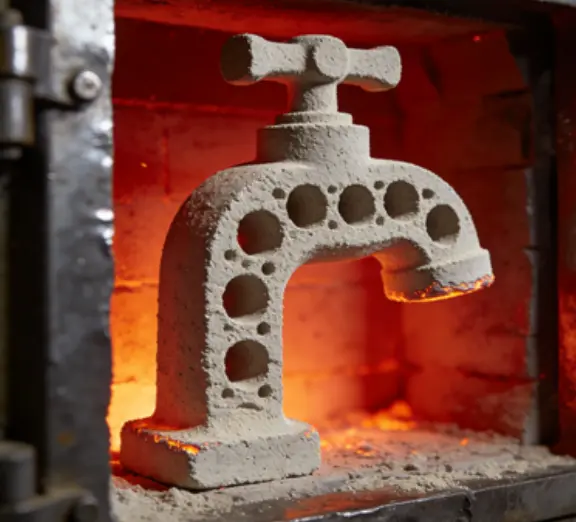
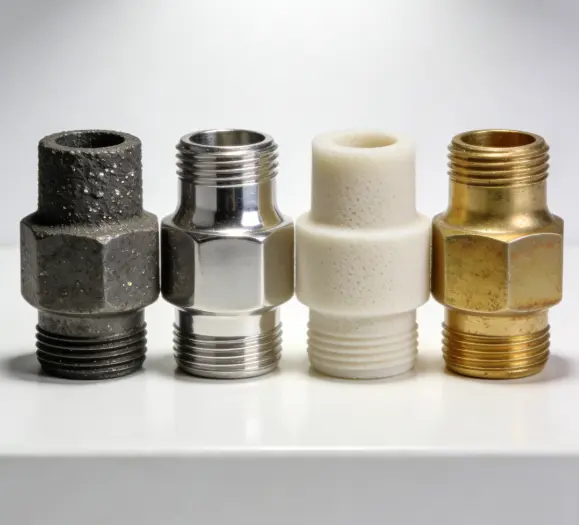
Metal casting is one of the oldest and most widely used manufacturing techniques in modern industry. From daily-use plumbing parts to high-precision automotive and aerospace components, casting processes play a crucial role in shaping metal into durable and functional products.
Choosing the right casting method can significantly impact product quality, production cost, efficiency, and long-term reliability. With continuous advancements in foundry automation and equipment technology, manufacturers today have more casting options than ever before.
This comprehensive guide introduces the most common casting processes, explains how each method works, and highlights their advantages, limitations, and typical applications. Whether you are a beginner, an engineer, or a factory owner looking to optimize production, this article will help you understand the essentials of modern metal casting.
1.Sand Casting
Sand casting is one of the most traditional and widely used metal casting processes. By using sand as the mold material, it offers flexibility and extremely low cost, making it ideal for large or bulky parts.
How It Works
1.A model of the part is placed in a sand mold.
2.The sand is compacted around the model to form a cavity.
3.Molten metal is poured into the sand cavity and allowed to solidify.
4.The sand mold is broken apart to release the casting.
Advantages of Sand Casting
- Extremely low production cost
- Suitable for large or heavy parts
- Flexible mold design
- Works with almost all metals: iron, steel, aluminum, brass, bronze
Limitations
- Low dimensional accuracy
- Rough surface finish
- Requires extensive post-processing
Typical Applications
- Automotive engine blocks
- Heavy machinery housings
- Iron and steel parts
- Simple and large components
Sand casting is the foundation of many foundries and remains essential in large-scale metal manufacturing.
2.Gravity Casting
Gravity casting uses natural gravity to fill molten metal into a permanent (metal) mold. It is widely used for brass and aluminum components requiring better strength and density than sand cast parts.
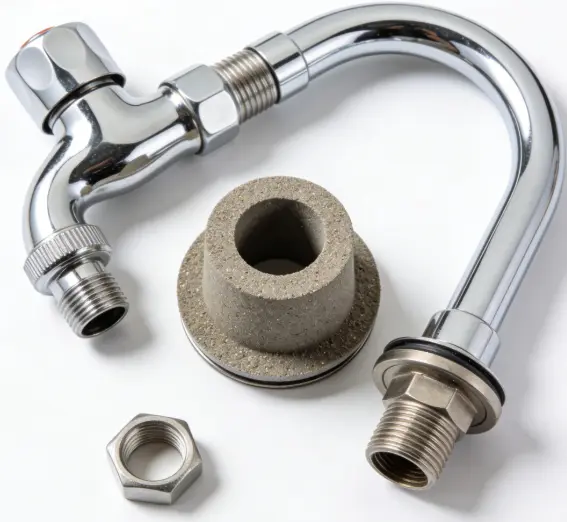
For companies producing brass faucets, water meter bodies, sanitary hardware, automotive components, or industrial valve fittings, gravity casting is one of the most efficient and reliable processes.
How Gravity Casting Works
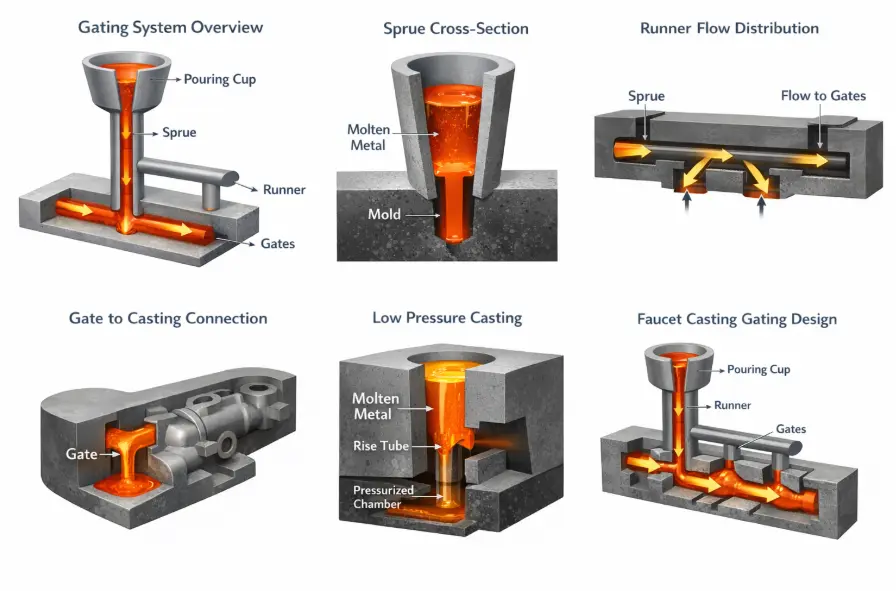
1.Molten metal is poured into a metal mold through gravity.
2.Metal flows into the cavity and solidifies.
3.The mold is opened, and the casting is removed.
4.Minor finishing processes (deburring, polishing) follow.
Advantages
- Better surface quality than sand casting
- Higher density and mechanical strength
- Longer mold life
- Stable, repeatable quality
- Suitable for semi-automated production lines
Limitations
- More expensive than sand casting
- Not suitable for ultra-thin or extremely complex parts
Where It’s Used
- Brass faucet bodies
- Water meter components
- Hydraulic and pneumatic fittings
- Aluminum housings
- Sanitary hardware
- Valve and pump components
Gravity casting offers the ideal balance of cost and quality for medium-to-high-end brass products.
3.Low Pressure Casting
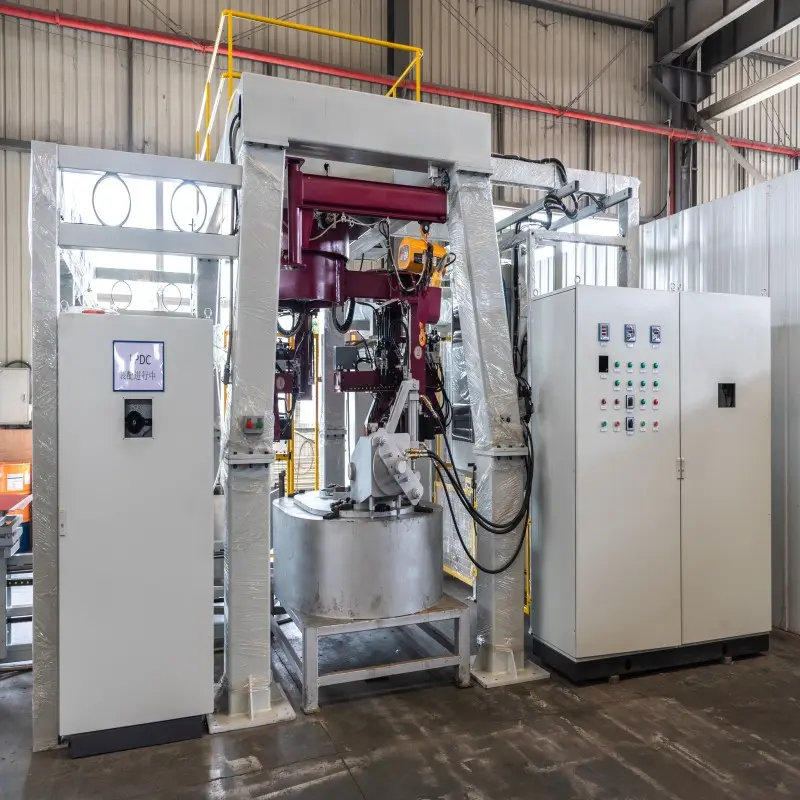
Low pressure casting is a highly controlled process that uses regulated air pressure (0.3–0.7 bar) to push molten metal upward into a mold. This method produces
superior casting density, uniformity, and consistency compared to gravity casting.
It is especially popular in the brass faucet industry, where product performance and accuracy are critical.
Process Overview
1.Molten metal is held in a sealed furnace or crucible.
2.Low air pressure pushes the metal upward through a riser tube into the mold.
3.The mold is filled gradually from the bottom up, reducing turbulence and gas entrapment.
4.The part cools and solidifies before being removed.
Advantages
- Excellent casting density with fewer defects
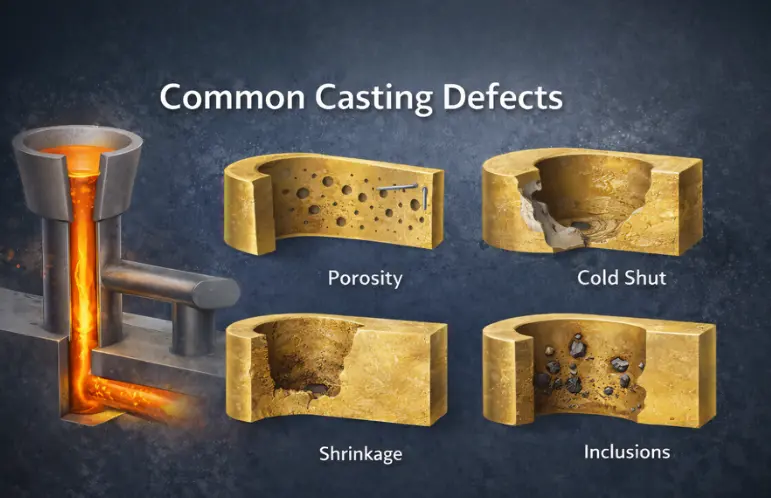
- Very low porosity
- Suitable for complex shapes
- Superior consistency for mass production
- Higher yield rate and lower material waste
- Well-suited for automation and robotic integration
Drawbacks
- Higher equipment investment
- Requires precise mold design
- More maintenance compared with gravity casting
Applications
- High-end brass faucets
- Water meter bodies
- Aerospace aluminum components
- Auto wheels (aluminum)
- Precision structural parts
For industries requiring stable quality and long-term reliability, low pressure casting is often the best solution.
4.High Pressure Die Casting
High pressure die casting injects molten metal into a steel mold under extremely high pressure (typically 100–1200 bar). This process offers exceptional speed and productivity, ideal for mass production.
Key Characteristics
- Best suited for aluminum and zinc
- Not suitable for brass due to high mold wear
- Produces accurate and smooth parts at high volume
Advantages
- Very high production efficiency
- Excellent dimensional accuracy
- High-speed, automated operations
- Thin-wall components possible
Limitations
- High mold and equipment cost
- Poor suitability for brass or steel
- Risk of gas porosity in parts
Applications
- Automotive housings
- Electrical enclosures
- Consumer electronics
- Structural aluminum parts
5.Investment Casting
Investment casting uses wax patterns to form precise ceramic molds. It is ideal for ultra-high-precision, complex metal components.
Advantages
- Highest precision among casting methods
- Excellent detail and stability
- Smooth surface finish
- Suitable for complex geometries
Limitations
- High cost
- Long production cycle
- Typically used for small to medium-sized parts
Common Applications
- Medical and aerospace components
- Stainless steel parts
- High-end mechanical parts
6.Lost Foam Casting
A modern casting process that replaces wax with foam patterns. After pouring molten metal, the foam vaporizes and the metal forms the final shape.
Advantages
- Simplified molding
- Low labor cost
- Suitable for large-scale iron castings
Applications
- Large engine blocks
- Iron cast housings
- Pumps and compressor components
How to Choose the Right Casting Process?
Selecting the best casting method depends on several key factors:
| Consideration | Best Process |
| High precision and consistency | Low pressure casting / Investment casting |
| Best for brass faucets & water meters | Gravity casting / Low pressure casting |
| Extremely high-volume production | High pressure die casting |
| Large, simple, low-cost parts | Sand casting |
| Complex stainless steel components | Investment casting |
| Best mechanical strength | Low pressure casting |
The Role of Foundry Automation in Modern Casting
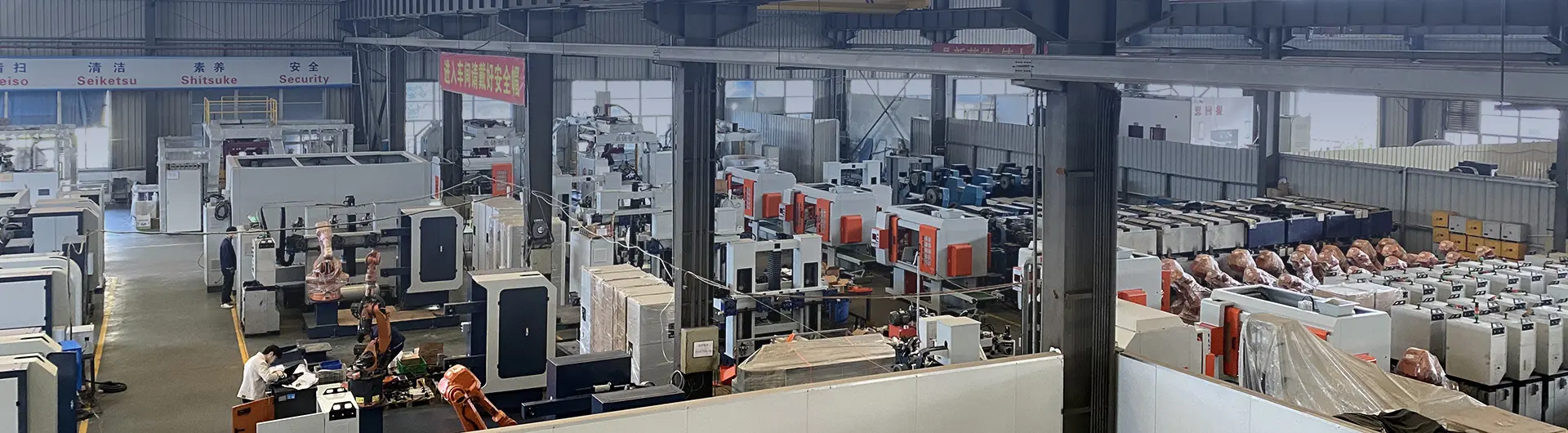
A modern casting factory not only relies on the casting method, but also on supporting technology including:
- Automatic sand core shooting machines
- Low pressure casting machines
- Gravity casting machines
- Robotic polishing and grinding systems
- Deburring robots
- CNC finishing equipment
For example, manufacturers of brass faucets and water meters routinely integrate:
- Automatic sand core shooters to stabilize dimensional accuracy
- Gravity or low pressure casting machines for brass bodies
- Robotic grinding/polishing systems for surface finishing
Automation enhances:
- Production efficiency
- Quality consistency
- Worker safety
- Cost control
- Competitive advantage in global markets
Conclusion:
Metal casting remains one of the most essential and versatile manufacturing methods today. Each casting process—sand casting, gravity casting, low pressure casting, high pressure die casting, investment casting, and lost foam casting—has unique advantages and specific applications.
Understanding how these processes work is crucial for choosing the right method for brass, aluminum, or steel parts. With the rise of automation and smart foundry technologies, modern casting continues to evolve, enabling manufacturers to achieve higher efficiency, better quality, and reduced operational costs.